
Digital collectibles have emerged as a transformative asset class, reshaping how people buy, trade, and own items in the digital age. They represent the intersection of technology, art, and commerce, providing unique opportunities for creators, collectors, and businesses alike. But what makes digital collectibles valuable, and how do they fit into the broader landscape of online business? This blog delves into what digital collectibles are, their investment potential, the psychology behind their popularity, and why businesses are increasingly leveraging them in customer engagement strategies.
What Are Digital Collectibles?
Digital collectibles are unique digital assets authenticated through blockchain technology, ensuring their provenance and ownership. Unlike physical collectibles, they are immune to wear and tear and can be traded seamlessly across digital platforms. Examples range from digital art and music to in-game items, virtual real estate, and membership tokens.
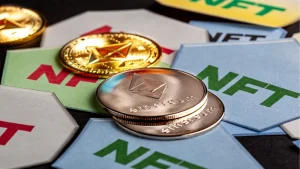
The most recognized form of digital collectibles is NFTs (Non-Fungible Tokens). NFTs are unique cryptographic tokens representing ownership of a specific digital asset, secured on the blockchain. This blockchain-backed ownership provides unprecedented transparency, authenticity, and security, making NFTs resistant to duplication and fraud.

Why Are Digital Collectibles Valuable?
The value of digital collectibles is driven by several factors:
- Scarcity: Many digital collectibles are limited-edition, creating a sense of rarity that drives demand.
- Authenticity: Blockchain technology certifies the authenticity and ownership of digital assets, offering collectors confidence in the uniqueness of their purchases.
- Utility: Some digital collectibles offer tangible benefits, such as access to exclusive communities, events, or products.
- Cultural Relevance: Digital art and collectibles reflect the cultural zeitgeist, particularly within tech and gaming communities, giving them intrinsic social value.
These attributes make digital collectibles more than just virtual items; they’re status symbols, social connectors, and investment assets.
Investing in Digital Collectibles
Investing in digital collectibles is akin to investing in traditional art or collectibles. However, digital collectibles offer more liquidity and accessibility due to online marketplaces and global trading platforms. Here are key considerations for those interested in entering this market:
- Research Marketplaces: Platforms like OpenSea and Rarible provide user-friendly experiences for purchasing, selling, and trading digital collectibles. Each platform has unique features, user demographics, and types of collectibles.
- Understand the Asset’s Context: The value of digital collectibles varies widely. Some gain value due to their association with well-known artists, brands, or communities, while others might have utility-based value, offering membership perks or exclusive content access.
- Evaluate Credibility: Much like traditional art, a collectible’s value often depends on the reputation of the creator or brand. Collectibles linked to recognized names are typically seen as more valuable.
As with any investment, it’s essential to conduct thorough research and understand market trends, especially as the digital collectibles market can be highly volatile.
Popular Digital Collectibles and NFTs
Some digital collectibles have achieved significant cultural and monetary value. Here are a few notable examples:
- CryptoPunks: One of the earliest NFT projects on Ethereum, CryptoPunks consists of 10,000 unique pixelated characters that have become cultural icons within the crypto community. Their historical significance and scarcity have made them highly sought after, with some selling for millions of dollars.
- NBA Top Shot: An officially licensed platform offering video clips of iconic basketball moments as NFTs. NBA Top Shot has redefined fan engagement by allowing users to own memorable sports moments.
- Bored Ape Yacht Club: Known for its exclusive community and membership perks, this collection of cartoonish apes serves as both a status symbol and a gateway to exclusive events, fostering a unique community around ownership.

The Unique Qualities of Digital Collectibles
Not all digital collectibles are NFTs, though NFTs remain the most popular form due to their blockchain verification. Digital collectibles possess unique attributes that make them appealing, particularly to younger, tech-savvy demographics:
- Global Accessibility: Digital collectibles can be bought and sold across borders, expanding their market reach and enhancing liquidity.
- Immutability: Blockchain records are permanent, ensuring that ownership records cannot be altered or erased, which boosts confidence in the asset’s integrity.
- Interactivity: Digital collectibles can be enhanced with interactive features, like virtual reality integrations or gaming functionalities, creating new user experiences.
These qualities make digital collectibles versatile and enduring, with use cases across various industries, from gaming to brand loyalty programs.
The Psychology of Digital Collecting: Why People Value Virtual Ownership
The Collector’s Mindset
The drive to collect is deeply ingrained in human psychology. People have historically collected items for their perceived value, rarity, and the joy of ownership. Digital collectibles tap into this psychology, allowing collectors to accumulate virtual assets that reflect their identity and values. For some, it’s about completing a set; for others, it’s the thrill of owning something unique in the digital world.
Key Drivers of Value
- Scarcity: Just as limited editions drive up the value of physical items, rare digital collectibles are prized for their exclusivity.
- Social Status: In online communities, owning certain NFTs or digital items acts as a status symbol, displaying wealth, taste, or tech-savviness.
- Community and Belonging: Many NFT projects foster dedicated communities where members share interests and enjoy exclusive benefits, enhancing the appeal of ownership.
The Appeal of Virtual Ownership
Accessibility and Global Reach
One of the most compelling aspects of digital collectibles is their accessibility. Unlike traditional assets that might be limited by geographical location or physical logistics, digital collectibles can be accessed and traded globally, creating a vast, decentralized market. Anyone with an internet connection can participate, democratizing access to rare and valuable assets.
Transparency and Security
Blockchain technology underpins the ownership and transfer of digital collectibles, offering unmatched transparency and security. Each transaction and ownership transfer is recorded immutably, providing a trusted ledger for collectors and reducing the risk of forgery or fraud. This transparency builds confidence among buyers and sellers, enhancing the market’s stability and appeal.
Interactive Experiences and New Possibilities
Beyond ownership, digital collectibles enable interactive experiences in areas like gaming, social media, and the metaverse. Collectibles can be integrated into games, used as avatars, or even unlocked for exclusive events, bridging the physical and virtual worlds and offering users an immersive, engaging experience.
The Future of Digital Collectibles
The digital collectibles market is rapidly evolving, with many experts predicting sustained growth as brands and industries embrace NFTs and blockchain technology. As more companies explore Web3 and the metaverse, digital collectibles are becoming essential to customer engagement strategies. For instance, brands like Adidas and Starbucks have begun integrating NFTs into their loyalty programs, providing customers with digital badges, exclusive discounts, and early access to products.
Apps like Metmos simplify this transition, offering businesses the tools to create loyalty-driven NFT programs without needing in-depth blockchain knowledge. As this technology continues to develop, more brands are expected to adopt NFTs as a core part of their marketing and customer retention efforts.
How Businesses Can Leverage Digital Collectibles
Digital collectibles offer innovative ways for businesses to deepen customer relationships and drive engagement. By creating limited-edition digital items, companies can offer rewards that provide real-world value and foster brand loyalty. Here’s how businesses can harness this potential:
Building a Digital Collectible Campaign
For brands looking to start a digital collectible campaign, it’s essential to focus on creating items that provide tangible value to customers. Digital collectibles can serve as loyalty rewards, exclusive access tokens, or membership badges. Apps like Metmos allow online retailers to create NFTs without complex blockchain infrastructure, lowering the barrier to entry for brands wanting to enter the Web3 space.
Successful campaigns focus on adding value to customers—whether through exclusive discounts, early product access, or digital badges that enhance the user’s sense of belonging to a brand community.
FAQs About Digital Collectibles
Are Digital Collectibles Worth Investing In?
The potential value of digital collectibles depends on their uniqueness, utility, and the reputation of the project or creator. While they can be lucrative investments, especially for early adopters of popular projects, it’s important to approach them with an understanding of market volatility and risk factors. As with any asset, doing thorough research is crucial.
How Can I Create My Own Digital Collectible?
Creating digital collectibles is increasingly accessible thanks to platforms like Metmos and Rarible, which offer tools for minting NFTs. Typically, the process involves uploading a digital file, adding metadata, and paying a minting fee. These platforms also provide visibility in their marketplaces, making it easier for creators to reach an audience.
What Are the Best Marketplaces for Digital Collectibles?
Some of the popular NFT tools include OpenSea, Rarible, and Metmos. Each platform offers a unique user experience and caters to different types of audiences. OpenSea is widely used for various types of digital art, Rarible focuses on community-driven features, and Metmos supports loyalty-driven NFT applications for online stores.
Conclusion
The value of digital collectibles lies in their scarcity, exclusivity, and ability to bridge virtual and physical experiences. As digital ownership becomes more prevalent, brands, investors, and creators alike are exploring ways to leverage this technology to reach broader audiences and create meaningful connections. Whether you’re a collector, investor, or business owner, understanding the value of digital collectibles can give you a competitive edge in this dynamic, evolving landscape.
If you’re interested in exploring how digital collectibles can enhance customer loyalty, check out this in-depth guide: The Future of Customer Loyalty Programs for Shopify Stores. Additionally, for more insights on the latest trends, read this article: Are NFTs Still Relevant in 2024?