
In recent years, NFTs (Non-Fungible Tokens) skyrocketed to popularity, making headlines across the world. From digital art to unique collectibles, NFTs seemed like the future of digital ownership. However, like most trends, they faced a dramatic decline. Are NFTs dead in 2024, or is there still hope for them? In this article, we dive into the rise, fall, and future of NFTs to understand what went wrong and what might lie ahead for this technology.
The Rise of NFTs
NFTs began as a revolutionary way to represent ownership of digital assets, thanks to blockchain technology. From digital artwork to game assets and virtual real estate, NFTs provided creators and collectors with a way to verify ownership of unique items online. By 2021, the market reached a fever pitch, with iconic collections like the Bored Ape Yacht Club and celebrity-backed NFT launches making millions of dollars. The concept of owning a unique piece of the internet became appealing to collectors and investors, driving the market to new heights.
The early days of NFTs were characterized by innovation, excitement, and the promise of decentralized ownership. Everyone wanted a piece of the action. Creators, brands, and even major companies like Nike and Adidas launched NFT collections, leading to a massive surge in their value and popularity.
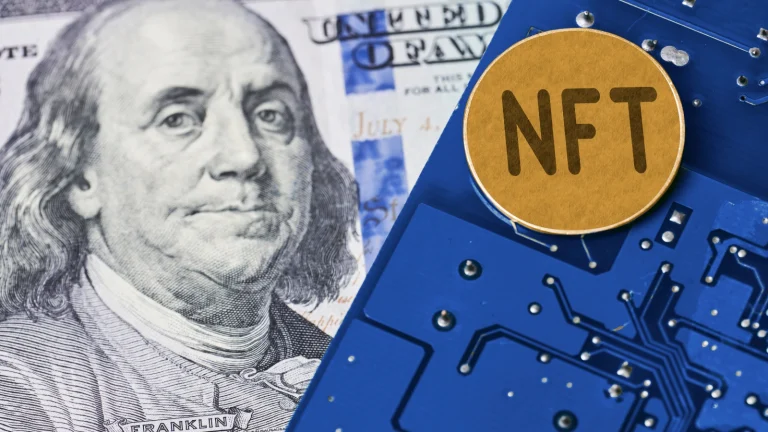
Not With a Bang, But a Whimper: The Fall of NFTs
By late 2022 and into 2023, the hype began to fizzle out. Public interest dwindled as people started questioning the long-term value of NFTs, and many were left holding digital assets that lost significant value. What went wrong? There were several key issues:
- Oversupply and Speculation: As NFTs became popular, the market got flooded with projects. Many were low-quality and lacked real value, leading to a glut of unsold NFTs. Investors quickly realized that not every digital asset could become valuable.
- Scams and Security Issues: Scams became a significant problem in the NFT space, with fake projects, rug pulls, and hacking incidents creating distrust. Many people lost money, and the industry gained a reputation for being risky and unsafe.
- Economic Downturn: With rising inflation and a tightening economy, many investors pulled out of risky ventures like NFTs. People focused on more stable investments, leaving NFTs behind.
What Went Wrong?
The fall of NFTs can largely be attributed to the oversaturation of the market, unrealistic expectations, and a lack of tangible utility. Initially, many NFTs were bought in hopes of making quick profits. But when the bubble burst, it became clear that only projects with real utility and strong communities would survive.
Additionally, the NFT market was overtaken by emerging technologies, like AI, which attracted a lot of attention and investment. With AI-related products offering more immediate value, many began to see NFTs as just a speculative trend.
Do NFTs Have a Future?
Despite the downturn, NFTs aren’t entirely dead. In fact, they are evolving. The hopeful future for NFTs lies in their transformation into practical use cases and integration into broader ecosystems such as gaming, loyalty programs, and the metaverse.
Some forward-thinking companies like Starbucks and Adidas have begun experimenting with NFTs as part of loyalty programs. Starbucks’ STARLIGHT project, for example, uses NFTs to reward eco-friendly behavior, while Adidas partnered with Prada to release digital collectibles tied to physical products. These kinds of use cases show that NFTs can still be relevant, but with a focus on providing real-world utility.
Factors Influencing the NFT Market in 2024
The current state of the NFT market is vastly different from its peak. Today, the success of an NFT depends on utility rather than hype. Factors like regulatory developments, integration with existing businesses, and partnerships with major players have shaped the market’s evolution.
- Regulation and Trust: Regulatory scrutiny has improved the NFT space’s safety and trustworthiness. Companies like Binance and Coinbase are working closely with regulators to create a secure environment for NFT trading, which should help attract more mainstream users.
- Real Utility: NFTs that offer utility beyond just ownership have started to gain more traction. NFTs tied to loyalty programs, memberships, and gamified experiences have brought tangible value to customers.
- Community and Social Engagement: Successful NFT projects are focusing on creating strong communities. They give their holders a sense of belonging, as seen with community-focused projects like those by major fashion brands.
Challenges and Criticisms
The NFT market still faces challenges. Criticism over environmental concerns due to energy usage continues to plague NFTs, even though newer blockchains like Polygon and Solana are working to reduce this impact. Moreover, NFTs still have to overcome the negative perception left by past scams and failed projects.
However, many companies are innovating to meet these challenges head-on, providing more secure and energy-efficient platforms to restore public trust.
Success Stories and Major Players
While some NFTs have lost their value, certain success stories and major players are continuing to pave the way forward:
Coca-Cola’s NFT Campaign
Coca-Cola’s release of NFTs during International Friendship Day created unique digital experiences tied to their branding, providing owners with exclusive perks and adding emotional value to the campaign.
Starbucks STARLIGHT
The Starbucks STARLIGHT project used NFTs to reward customers for using their personal cups, promoting sustainability while offering a collectible digital asset.
Adidas and Prada Collaboration
These two giants partnered to create digital collectibles that connect the physical and virtual, providing users with a hybrid experience that was both tangible and innovative.
Future Outlook for NFTs
The future of NFTs depends on their ability to adapt and offer real-world value. NFTs that can serve as digital collectibles, loyalty rewards, or virtual assets in the metaverse are likely to thrive. As businesses realize the potential for engaging their customers through digital collectibles, we can expect more practical and exciting applications of NFTs.

How Online Stores and Brands Can Prepare for NFTs
If you’re an online store or brand, consider how NFTs could fit into your strategy. Start by creating NFTs with real value—such as rewards for loyal customers or access to exclusive experiences. These can serve as both a marketing tool and a way to build long-term loyalty.
Companies like Metmos are making this transition easy. Metmos offers a seamless platform that helps businesses implement digital collectible loyalty programs, without the complexity of blockchain coding or high transaction fees. You could easily switch on an NFT-based loyalty program with just a few clicks, leveraging digital assets to create a new way for customers to connect with your brand.

FAQs About NFTs in 2024
Are NFTs still valuable in 2024?
NFTs can still hold significant value, particularly those with utility, like loyalty rewards or virtual assets in gaming. The speculative value may have decreased, but utility-driven NFTs are thriving.
Will NFTs make a comeback?
While the speculative craze is unlikely to return to previous levels, NFTs have a hopeful future in areas like the metaverse, gaming, and brand loyalty programs.
How can my business use NFTs?
You can use NFTs to reward loyal customers, create collectible experiences, or even offer exclusive membership perks. Platforms like Metmos make it simple for businesses to integrate NFTs.
The Bottom Line
NFTs may have fallen out of the hype cycle, but their potential is far from exhausted. As brands look to create more interactive and engaging experiences for their customers, NFTs offer an innovative solution. The key to success is to focus on utility—creating NFTs that genuinely provide value, whether through exclusivity, community, or rewards. As we move forward, the market will favor those projects that offer lasting, real-world benefits to their users.
Ready to give your loyalty program a modern twist with digital collectibles and rewards? The future of online loyalty is already here—take the leap and bring your customers along for an unforgettable experience. Learn more about how Metmos can help you get started with ease and without any blockchain hassles.
For a deeper dive into loyalty trends, be sure to read our related blog post: The Future of Customer Loyalty Programs for Shopify Stores.
Read this related article: The Value of Digital Collectibles